If you own a golf cart or you are thinking of getting one, chances are you’ve come across the buzz about lithium batteries. They’re lighter, more efficient, and increasingly becoming the go-to choice for golf carts. But what exactly are lithium golf cart batteries, how do they work, and why are they gaining so much popularity over traditional lead-acid options?
In this comprehensive guide, we’ll break down everything you need to know about lithium golf cart batteries — from how they function to their key advantages, and tips on choosing the right one for your cart. Whether you play a few rounds on the weekend, manage a fleet of carts at a resort, or use a cart for home/farm transport, this guide is designed to help you make an informed decision.
What Are Lithium Golf Cart Batteries?
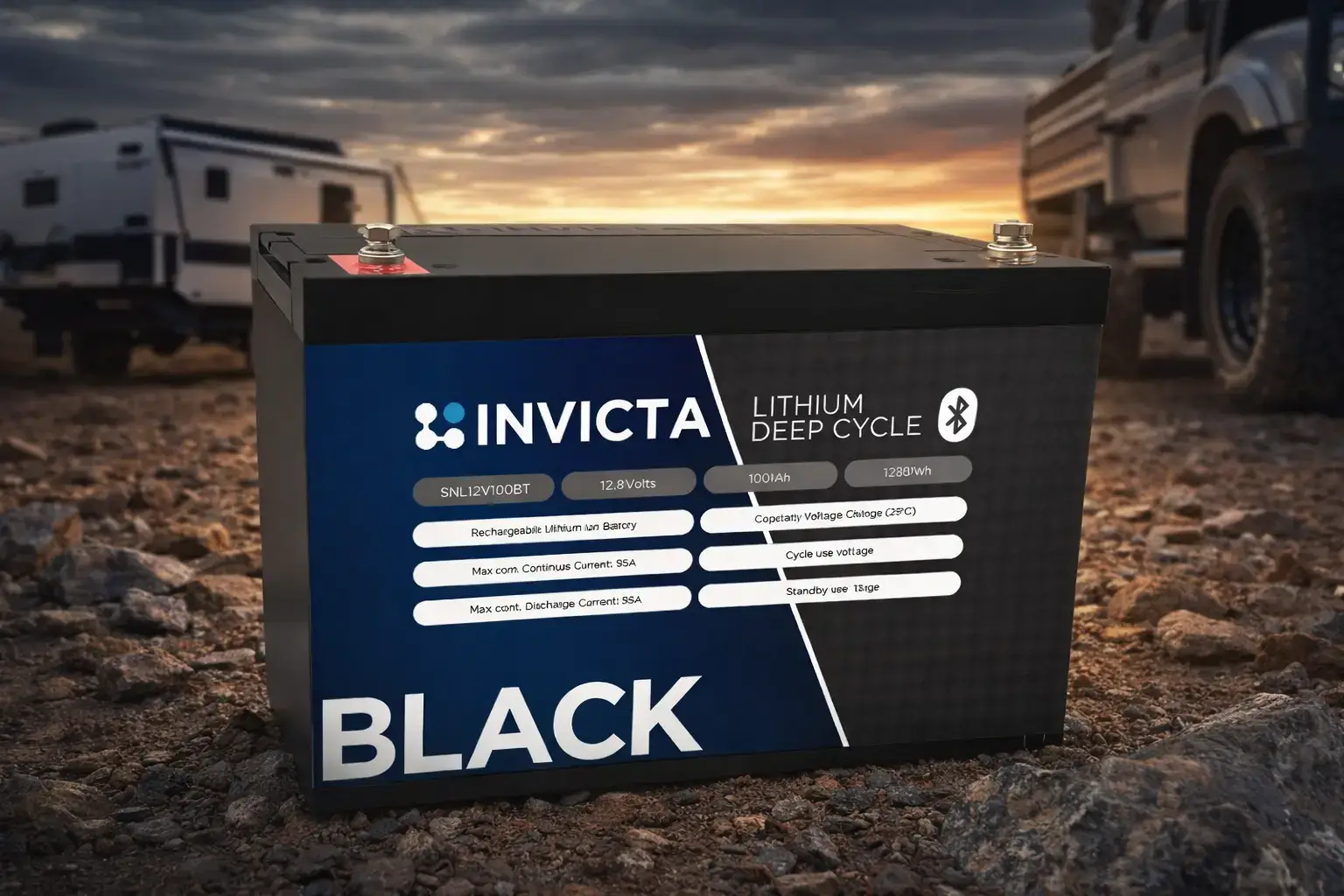
Lithium golf cart batteries are rechargeable batteries that use lithium iron phosphate (LiFePO4) chemistry. Unlike traditional lead-acid batteries, which have been the industry standard for decades, lithium batteries provide a more advanced, modern solution for powering electric golf carts.
These batteries contain multiple cells that store and release energy as required. They also include a built-in Battery Management System (BMS) that monitors performance, prevents overcharging, and ensures safety. In simple terms, they’re smarter, safer, and significantly more efficient than their older counterparts.
More and more modern golf carts are now built with lithium batteries from the get-go, thanks to their lightweight design, longer lifespan, and better energy efficiency. If you’re thinking about upgrading an older cart or buying new, lithium is fast becoming the go-to choice.
How Do Lithium Golf Cart Batteries Work?
At the core, lithium batteries work by moving lithium ions between a positive electrode (cathode) and a negative electrode (anode) through an electrolyte. When the battery is in use (discharging), ions move from the anode to the cathode. When charging, the flow is reversed.
The built-in BMS plays a crucial role in regulating this flow and protecting the battery from conditions like overheating, deep discharge, and overvoltage. This system extends the battery’s life and improves overall safety, making lithium batteries a low-maintenance option with high reliability.
Benefits of Lithium Golf Cart Batteries
Why are more people making the switch to lithium for their golf carts? Let’s take a look at the major benefits:
- Lightweight Lithium batteries weigh significantly less than traditional lead-acid batteries — often less than half. This translates to better cart performance, reduced wear on components, and improved energy efficiency.
- Longer Lifespan While lead-acid batteries typically last 2–4 years, lithium golf cart batteries can easily last 4-6 years or more. That’s thousands of charge cycles, meaning fewer battery replacements and lower long-term costs.
- Fast Charging Lithium batteries charge faster than other types. You can often get a full charge in just 2–4 hours, compared to 8–10 hours for a lead-acid battery. Some models even support partial charging without damaging battery life.
- Maintenance-Free There’s no need to top up water levels or clean corroded terminals. Lithium batteries are sealed units and require no regular maintenance.
- Eco-Friendly Lithium batteries are more energy efficient and produce fewer emissions over their lifetime. They’re also fully recyclable, making them a greener choice.
- Consistent Power Output Unlike lead-acid batteries that tend to fade as they discharge, lithium batteries provide consistent power until the very end. This means better performance, especially on hilly terrain or extended use.
Choosing the Right Lithium Golf Cart Battery
Not all lithium batteries are created equal, and choosing the right one involves more than just picking the cheapest option. Here’s what to consider:
- Voltage and Capacity Most golf carts run on 36V, 48V, or 72V systems. Make sure the battery voltage matches your cart’s requirements. Capacity, measured in amp-hours (Ah), determines how far or how long you can drive between charges.
- Weight and Dimensions Although lithium batteries are lighter, sizes can vary. Ensure the battery will fit in your cart’s existing compartment or be prepared to use adapter kits.
- Battery Management System (BMS) A quality BMS is vital. It protects the battery from overcharging, undercharging, overheating, and helps balance individual cells. Always go for a battery with a reliable BMS built-in.
- Charging Compatibility While some lithium batteries can use existing lead-acid chargers, it’s recommended to use a lithium-specific charger for faster, safer charging.
- Brand Reputation & Warranty Stick with reputable brands that have solid reviews and reliable customer support. A quality battery from a trusted manufacturer can make a big difference in long-term performance and peace of mind.
Not sure which lithium battery is right for your cart? At Batteries Sunshine Coast, we have access to a wide range of trusted lithium golf cart batteries and can help you choose the right one based on your cart model, usage, and budget.
Different Types of Golf Cart Batteries
While lithium is the standout modern option, it helps to know how it stacks up against other battery types:
1. Flooded Lead-Acid
- The most common type until recently
- Affordable upfront but heavy and high maintenance
- Shorter lifespan and slower charging
2. AGM (Absorbed Glass Mat) Lead Acid
- A sealed lead-acid battery with less maintenance
- Better vibration resistance and spill-proof
- Slightly better lifespan than flooded lead-acid
3. Lithium-Ion Phosphate (LiFePO4)
- Longest lifespan, fastest charging, and no maintenance
- Higher upfront cost, but pays off over time
- Safe, eco-friendly, and consistent performance
For most golf cart users — especially those in hilly areas, resort operators, or anyone using their cart frequently — lithium is well worth the investment.
Real-World Applications
Lithium batteries aren’t just for golf courses. Golf carts are commonly used in:
- Retirement Resorts
- Resorts and hotels
- Farms and acreages
- Commercial parks
- Industrial sites
If your cart is a key part of your daily operations, switching to lithium can reduce downtime, lower running costs, and deliver a smoother ride.
Environmental Impact
Lithium batteries have a smaller environmental footprint over their lifecycle. They use less energy to charge, produce no acid spills, and don’t emit harmful gases. When they reach the end of their life, they can be fully recycled — a big plus for environmentally conscious users.
Final Thoughts
Making the switch to lithium golf cart batteries is a smart move for those who want better performance, fewer maintenance headaches, and long-term savings. While the initial cost is higher, the benefits in lifespan, efficiency, and reliability are hard to beat.
Whether you’re zipping around the course, navigating a large property, or managing a fleet of carts, lithium batteries offer a modern, hassle-free power solution built for harsh conditions.
Still unsure which battery is right for you? Chat to the experts at Batteries Sunshine Coast — your local specialists in lithium, deep cycle batteries, and cart battery solutions. We’re here to keep you moving.
FAQs
1. Are lithium batteries safe to use in golf carts?
Yes, lithium batteries are designed with advanced safety features such as built-in Battery Management Systems (BMS) that help regulate voltage, temperature, and charge cycles. When installed and used correctly, they are very safe and reliable for golf cart applications.
2. How long will a lithium battery last in my golf cart?
Lithium batteries generally have a longer lifespan than traditional lead-acid options. Depending on usage and care, they can last several years and deliver thousands of charge cycles — often far outlasting their lead-acid counterparts.
3. Will a lithium battery work in my current golf cart model?
Most golf carts can be fitted with lithium batteries, but compatibility depends on factors like voltage, controller settings, and available space. It’s best to consult with a battery expert or your cart’s manufacturer to confirm suitability.
4. How do I choose the right lithium battery for my golf cart?
Key factors include the cart’s voltage (e.g., 36V or 48V), power requirements, physical space available, and your usage habits. Seeking advice from a trusted battery specialist can help ensure you select the right battery for optimal performance.
5. Do I need to recharge my lithium golf cart battery after each use?
While lithium batteries don’t require charging as frequently as lead-acid ones, it’s still a good habit to top them up after each use. This helps maintain consistent performance and ensures your cart is always ready to go.
6. Can I replace my old lead-acid batteries with lithium without modifying my cart?
In many cases, yes — but it’s important to use lithium batteries designed for drop-in replacement. Some upgrades, such as a new charger or minor wiring adjustments, may be necessary for a proper and safe conversion.