
Upgrading your caravan or motorhome with a lithium battery system can completely transform how you travel off-grid. Whether you enjoy long off-grid stays, coastal road trips, or remote outback adventures, your power system plays a critical role in how comfortable and independent your journey will be.
Lithium batteries—particularly LiFePO₄ (Lithium Iron Phosphate)—have rapidly become the preferred choice across Australia. However, retrofitting lithium into an existing setup is not as simple as swapping out your old battery. It requires careful planning, compatibility checks, and an understanding of how your entire electrical system works together.
This in-depth guide walks you through everything you need to know about retrofitting lithium batteries in caravans and motorhomes, so you can upgrade with confidence.
Why Upgrade to Lithium Batteries?
Traditional batteries like AGM and lead-acid have served caravanners well for decades, but they come with limitations—especially for off-grid travel. Lithium batteries solve many of these issues and deliver a noticeable upgrade in performance.
One of the biggest advantages is usable capacity. While AGM batteries typically allow you to use only about 50% of their capacity to avoid damage, lithium batteries can safely deliver up to 80–90%. This means you get significantly more usable power without increasing battery size.
Lithium batteries also charge much faster, which is a major benefit when relying on solar panels or limited driving time. They maintain a stable voltage even under load, making them ideal for running appliances like fridges, coffee machines, and inverters without performance drops.
Another key benefit is weight reduction. Lithium batteries are considerably lighter than AGM equivalents, which helps improve fuel efficiency and reduces strain on your vehicle—especially important for caravans and motorhomes operating near weight limits.
Lastly, lithium batteries last much longer. With thousands of charge cycles compared to a few hundred for AGM, they offer better long-term value despite the higher upfront cost.
Is Retrofitting Lithium Batteries Worth It?
For many Australian travellers, the answer is a clear yes. If you enjoy free camping (also known as “going off-grid”), lithium batteries allow you to stay longer without relying on powered sites.
Retrofitting is particularly worthwhile if:
- You frequently travel off-grid
- You rely on solar power
- You run high-demand appliances like fridges, inverters, or induction cooktops
- You want faster charging while driving
However, the upgrade does come with upfront costs and requires system compatibility. That’s why understanding the full process is essential.
Retrofit Lithium in Your Caravan & Motorhomes: A Step-by-Step Guide
Follow this practical step-by-step guide to safely upgrade your caravan or motorhome to a lithium battery system, ensuring better performance, efficiency, and reliable off-grid power.
Step 1: Choosing the Right Lithium Battery
The first step is selecting a battery that suits your travel style and power needs.
For occasional weekend trips with minimal appliance use, a 100Ah lithium battery may be sufficient. However, if you’re travelling full-time, running multiple appliances, or planning extended off-grid stays, you’ll likely need 200Ah or more.
It’s also important to consider the quality of the battery. Look for units with a built-in Battery Management System (BMS), which protects against overcharging, deep discharge, overheating, and short circuits. A good BMS is essential for safety and performance.
Additionally, consider whether you need features like Bluetooth monitoring, low-temperature protection, or heating functions—particularly useful for travellers heading into colder regions of Australia.
Step 2: Ensuring Charger Compatibility
One of the most critical parts of retrofitting lithium batteries is ensuring that all your charging sources are compatible.
Lithium batteries require a different charging profile compared to AGM or lead-acid. If your existing chargers are not lithium-compatible, they may undercharge, overcharge, or fail to charge the battery correctly.
Start by checking your 240V mains charger. Many older units are designed only for AGM or gel batteries and will need replacing.
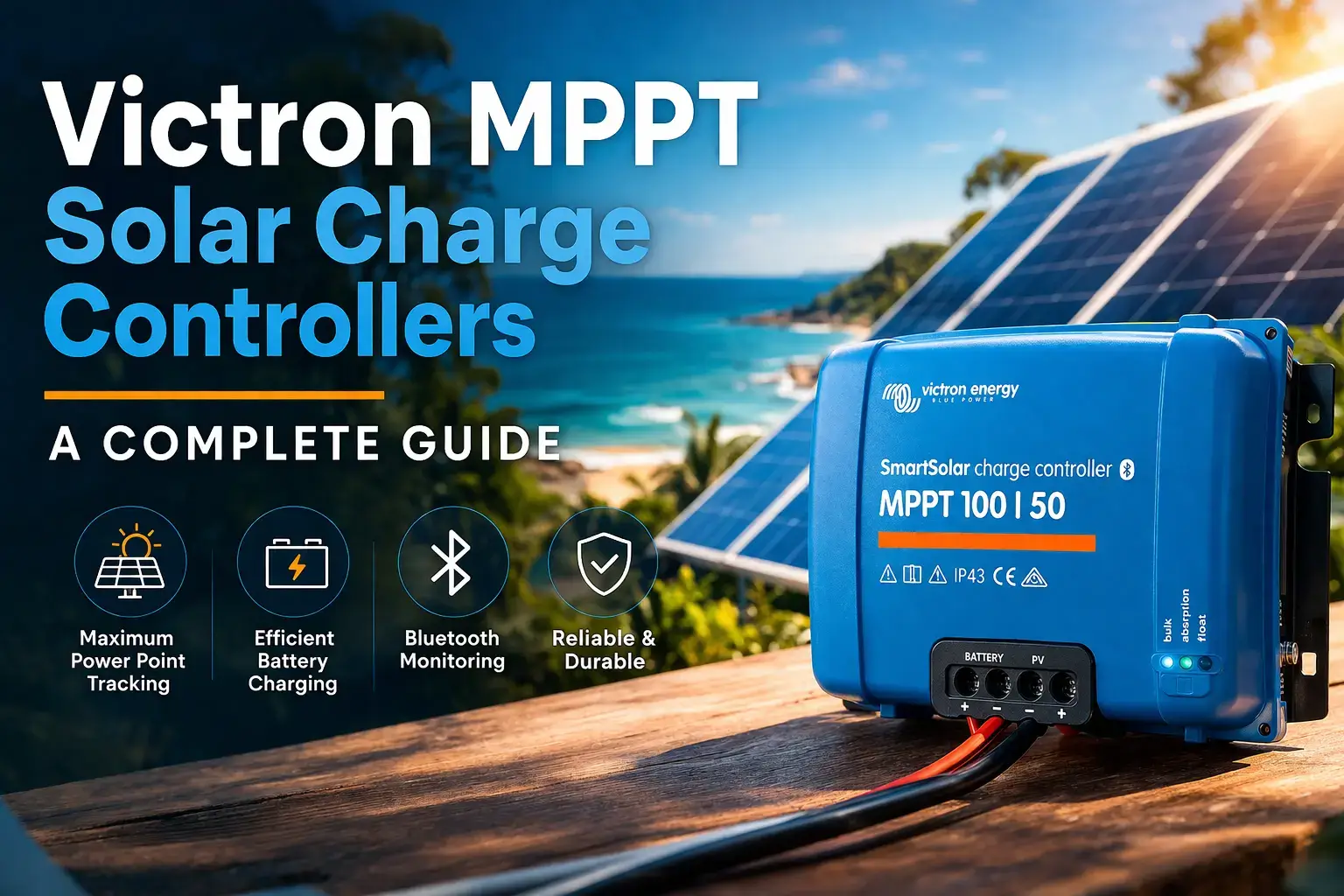
Next, look at your solar charge controller. Modern MPPT controllers often include lithium settings, but older models may not. Upgrading to a lithium-compatible controller ensures efficient solar charging and maximises energy harvest.
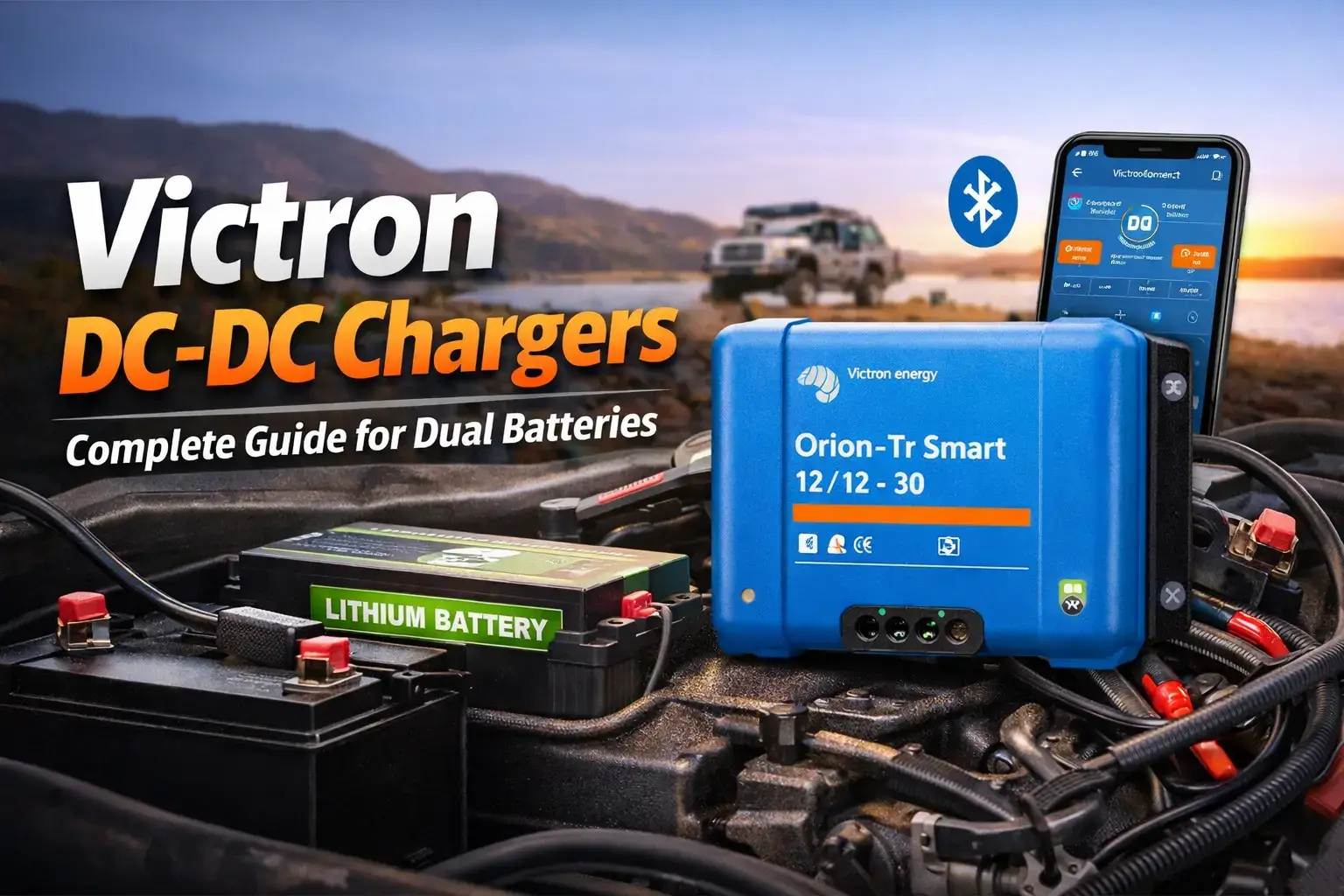
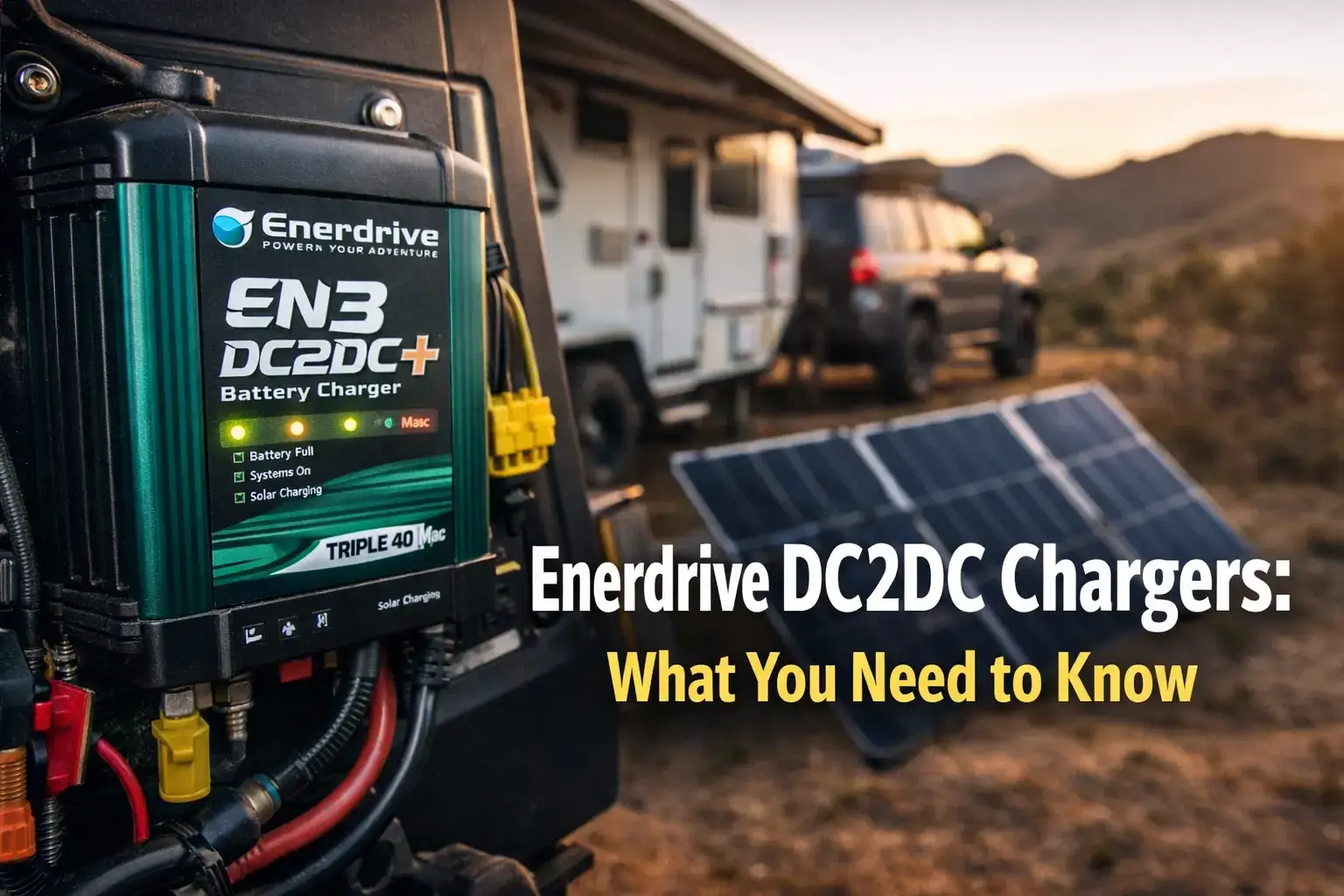
Your alternator charging system is another important consideration. Lithium batteries can draw high current, which may overload your alternator if not properly managed. Installing a DC-DC charger (also known as a battery-to-battery charger) is strongly recommended. It regulates the charge and ensures safe, efficient power delivery from your vehicle.
Step 3: Upgrading Wiring, Fuses, and Protection
Lithium batteries are capable of delivering much higher current than traditional batteries. While this is great for performance, it also means your wiring and protection systems must be up to the task.
Cables need to be correctly sized to handle increased current flow without overheating. Undersized wiring can lead to voltage drops, inefficiency, and even fire risks.
Fuses and circuit protection should also be reviewed. Properly rated fuses are essential to protect both your battery and connected devices.
In many retrofit projects, upgrading wiring and protection is not optional—it’s a necessary step to ensure safety and reliability.
Step 4: Battery Monitoring and System Visibility
When upgrading to lithium, having visibility over your system becomes even more important.
Unlike AGM batteries, lithium batteries maintain a stable voltage, which makes it difficult to estimate their state of charge using voltage alone. This is where a proper battery monitor becomes essential.
Modern solutions, such as smart shunt-based monitors, provide real-time insights into your battery’s performance. You can track state of charge, current flow, power usage, and historical data directly from your smartphone.
This level of monitoring allows you to manage your energy usage more effectively, avoid unexpected power loss, and optimise your system for longer off-grid stays.
Step 5: Installation Location and Temperature Considerations
Where you install your lithium battery matters more than many people realise.
Lithium batteries should be placed in a dry, well-ventilated area, away from excessive heat, moisture, and vibration. While they are generally more robust than AGM batteries, proper installation helps extend their lifespan and ensures consistent performance.
Temperature is another important factor. Lithium batteries do not charge well in very cold conditions, and charging below certain temperatures can cause damage.
Some modern lithium batteries include built-in heating systems or low-temperature cut-offs, which are particularly useful for travellers heading into alpine or cooler regions.
In most Australian conditions, temperature is less of a concern, but it’s still worth planning for seasonal variations.
Step 6: Professional Installation vs DIY
If you have experience with 12V systems, retrofitting lithium can be a DIY project. However, it’s not without complexity.
A professional installation ensures that all components are correctly configured, wiring is compliant, and the system operates safely under all conditions. This is especially important for larger setups or systems involving inverters, solar arrays, and multiple charging sources.
For many caravan and motorhome owners, the peace of mind that comes with professional installation is well worth the investment.
Common Mistakes to Avoid
One of the most common mistakes is assuming lithium batteries are a direct replacement for AGM. This often leads to compatibility issues with chargers and poor system performance.
Another mistake is overlooking the importance of a DC-DC charger. Without it, your alternator may not charge the battery correctly, or worse, it may be damaged over time.
Some users also underestimate the need for proper monitoring. Without accurate data, it’s difficult to manage your power usage effectively, especially when travelling off-grid.
Finally, neglecting wiring upgrades can create serious safety risks. Always ensure your system is designed to handle the higher currents associated with lithium batteries.
Safety Considerations
Lithium batteries are generally very safe—especially LiFePO4 chemistry—but proper installation is crucial.
Key safety considerations include:
- Using a battery with a reliable BMS
- Ensuring correct cable sizing and fusing
- Protecting against overcurrent and short circuits
- Avoiding charging in extreme temperatures
- Ensuring proper ventilation and mounting
Professional installation is often recommended to ensure compliance with Australian standards.
Cost vs Long-Term Value
There’s no denying that lithium batteries come with a higher upfront cost compared to AGM. However, when you consider their longer lifespan, greater usable capacity, and improved efficiency, they often work out to be more cost-effective in the long run.
You’ll spend less time managing your power, enjoy more reliable performance, and reduce the need for frequent battery replacements.
For serious travellers and off-grid enthusiasts, lithium is not just an upgrade—it’s a long-term investment in convenience and reliability.
Is Lithium Worth It for Caravans and Motorhomes?
For most modern travellers, the answer is a clear yes.
Retrofitting lithium batteries transforms how you use your caravan or motorhome. It allows you to stay off-grid longer, run more appliances comfortably, and travel with greater confidence.
While the upgrade requires careful planning and the right components, the benefits are significant. From faster charging and lighter weight to improved performance and longer lifespan, lithium batteries offer a level of efficiency that traditional systems simply can’t match.
Final Thoughts
Retrofitting lithium batteries in caravans and motorhomes is one of the most impactful upgrades you can make to your electrical system. It’s not just about replacing a battery—it’s about creating a smarter, more efficient power setup that supports your travel lifestyle.
By choosing the right battery, ensuring compatibility across your system, and prioritising safety and monitoring, you can build a setup that delivers reliable power wherever your journey takes you.
Whether you’re exploring coastal campsites or heading deep into the Australian outback, a well-designed lithium system gives you the freedom to travel further, stay longer, and enjoy every moment without worrying about power.
If you’re ready to upgrade your caravan or motorhome, Contact Batteries Sunshine Coast for expert advice and reliable lithium battery solutions built for Australian conditions.
FAQs
- Can I directly replace my AGM battery with a lithium battery?
No, lithium batteries are not a direct drop-in replacement. Your charging systems, including mains chargers, solar controllers, and alternator charging, must be compatible with lithium technology.
- Do lithium batteries really last longer than AGM batteries?
Yes. Lithium batteries typically last 5–10 times longer than AGM batteries, offering thousands of charge cycles compared to a few hundred.
- Do I need a DC-DC charger for lithium batteries in caravans?
In most cases, yes. A DC-DC charger ensures safe and efficient charging from your vehicle’s alternator and prevents potential damage.
- How much lithium battery capacity do I need for my caravan?
It depends on your usage. Light users may need around 100Ah, while off-grid travellers or full-time users may require 200Ah or more.
- Are lithium batteries safe for caravans and motorhomes?
Yes, especially LiFePO₄ batteries. They are one of the safest lithium chemistries and include built-in Battery Management Systems (BMS) for protection.
- Can lithium batteries handle Australian weather conditions?
Yes, lithium batteries perform well in most Australian climates. However, extreme cold conditions may require batteries with low-temperature protection or heating features.
- Can I use my existing solar setup with a lithium battery?
Only if your solar charge controller supports lithium charging profiles. Otherwise, you may need to upgrade your controller.