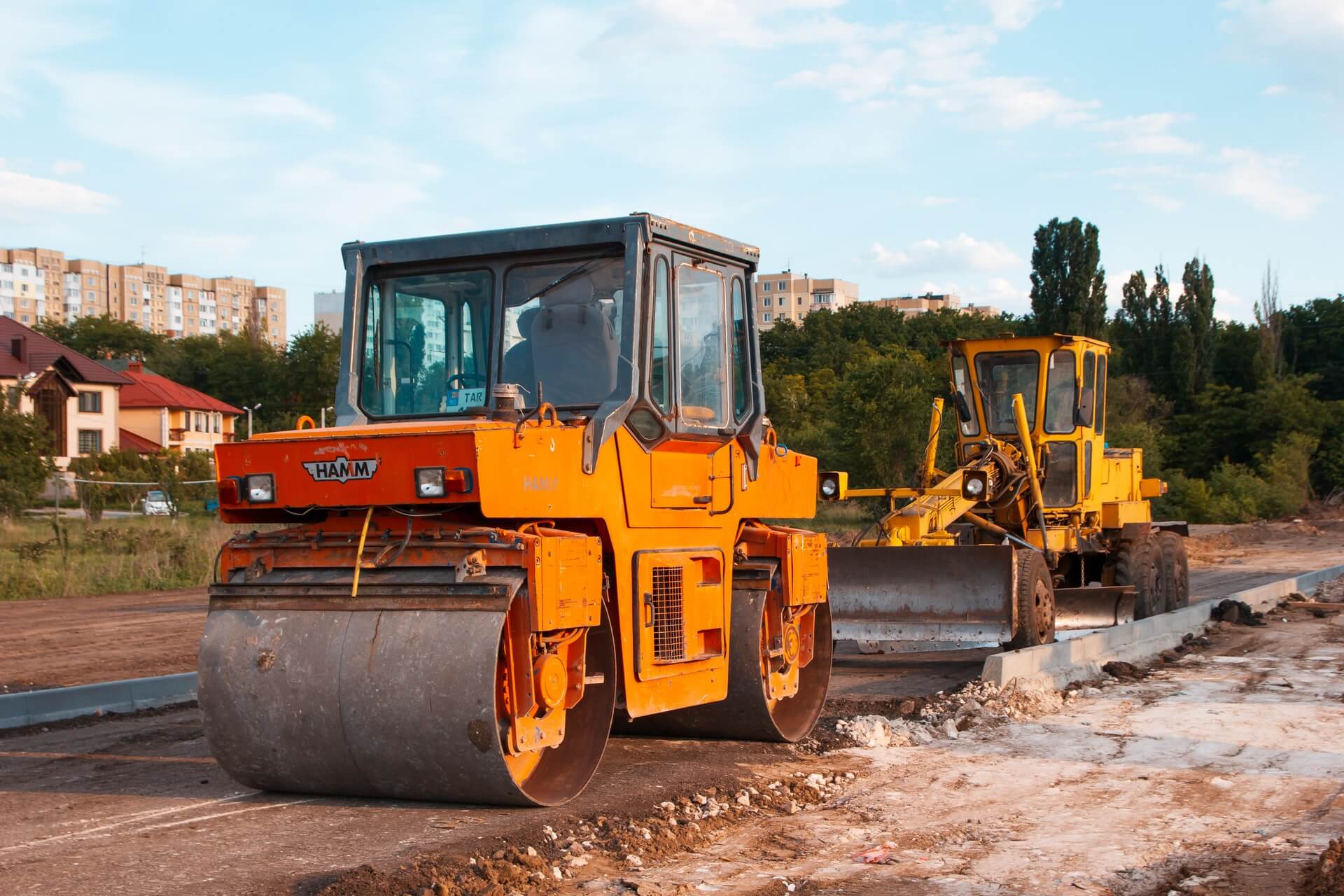
In the construction industry, productivity depends on one key factor — keeping your machinery running reliably. Whether it’s excavators, loaders, cranes, or bulldozers, your equipment is only as good as the power source behind it. Not every worksite has access to jump packs/cables. On remote job sites, a dependable battery becomes the lifeline that keeps everything moving.
Find The Right Construction Equipment Batteries
Choosing the right battery for your heavy equipment isn’t as simple as matching voltage or price. Every machine has different power demands, starting requirements, and operating conditions. Getting it wrong can lead to premature battery failure, unexpected downtime, and costly repairs.
This guide explains how to find the right construction equipment batteries — covering everything from battery types and specifications to practical tips for durability, safety, and performance.
1. Understand the Role of Construction Equipment Batteries
Construction equipment batteries do far more than just start engines. They supply power to essential systems like lighting, hydraulics, sensors, control panels, and electronics — often under extreme working conditions such as vibration, dust, moisture, and fluctuating temperatures.
That’s why choosing the right battery isn’t just about fitting something that “works”; it’s about selecting one built for heavy-duty reliability and long service life. A well-matched battery ensures consistent starting power, reduced downtime, and lower replacement costs over time.
2. Choose the Right Battery Type
Not all batteries are made the same. There are three main types used in construction equipment — each with unique benefits, maintenance needs, and costs.

Flooded Lead Acid (FLA) Batteries
These are traditional wet-cell batteries that have been used for decades. They’re affordable, durable, and can handle frequent charging and discharging cycles. However, they require regular maintenance (checking electrolyte levels and cleaning terminals) and must be kept upright to avoid spills.
Maintenance free lead acid batteries are a much better/affordable way to go.
Best for: Older machinery and cost-conscious projects where regular maintenance is acceptable.
Pros:
- Affordable and easily available
- Tolerant of overcharging and heavy use
- High cold-cranking power
Cons:
- Requires periodic maintenance
- Risk of spills if tipped or shaken
Gel Cell (GC) Batteries
Gel batteries use a thickened electrolyte, making them more stable and less prone to leakage. They perform well in deep-cycle applications and are resistant to vibration — ideal for heavy machinery used in rugged conditions.
Best for: Long-term projects where stable power and minimal maintenance are needed.
Pros:
- Excellent deep-cycle performance
- Vibration-resistant
- Spill-proof design
Cons:
- Higher cost than flooded batteries
- Sensitive to overcharging
Absorbed Glass Mat (AGM / VRLA) Batteries
AGM batteries are fully sealed, maintenance-free, and built to handle high vibration, extreme weather, and deep discharges. They’re often used in premium construction equipment because of their reliability and safety.
Best for: High-demand machinery and remote job sites where reliability is critical.
Pros:
- Maintenance-free and spill-proof
- Excellent vibration resistance
- Long service life
Cons:
- Higher initial cost
- Sensitive to incorrect charging voltages
3. Check the Cold Cranking Amps (CCA) Rating
The Cold Cranking Amps (CCA) rating measures a battery’s ability to start an engine in cold conditions — specifically, how many amps it can deliver at 0°C for 30 seconds while maintaining at least 10v volts.
For heavy machinery, a strong CCA rating ensures reliable engine starts even in cold, damp, or early-morning conditions. If the CCA is too low, your machinery might struggle to start — leading to downtime and costly wait times.
General Rule: For construction equipment, look for batteries with a CCA rating of around 800 or higher, depending on engine size and power demands.
Tip: FLA and AGM batteries typically offer higher CCA ratings than Gel Cell batteries, making them better suited for frequent engine starts.

4. Evaluate the Reserve Capacity (RC)
Reserve Capacity (RC) measures how long a battery can deliver a steady current after the alternator fails or when equipment draws power while the engine isn’t running.
In simpler terms, RC determines how long your equipment can operate on battery power alone. A high RC rating means your battery can supply consistent power for longer periods — essential for machinery with onboard electronics or lighting systems.
Why it matters:
- High RC = Longer runtime between charges
- Shorter recharge cycles
- Greater reliability on remote job sites
Tip: GC (Gel Cell) and AGM batteries usually offer higher reserve capacities, making them ideal for long working hours.
5. Understand Nominal Capacity (Ah Rating)
While CCA deals with starting power, Nominal Capacity (measured in amp-hours or Ah) indicates how much energy a battery can deliver over a set time.
For example, a 100Ah battery can provide 5 amps of current for 20 hours. This measurement is particularly important for deep-cycle applications — such as powering lights, pumps, or onboard computers — where energy is drawn over long periods.
Key tip: Choose a nominal capacity that matches your equipment’s power draw. Too small, and you’ll face frequent recharging; too large, and you’ll overspend on unnecessary capacity.
6. Match the Right Battery Size and Fitment
Construction equipment batteries come in various sizes and configurations. Choosing the correct physical size ensures the battery fits securely in its compartment and connects properly to terminals.
Things to check:
- Dimensions: Measure the battery tray and compare it with manufacturer specifications.
- Terminal position: Ensure the positive and negative terminals align with your machine’s cable layout.
- Clearance: Leave at least a 50mm gap from the battery bonnet for safety and airflow.
For machines that use parallel or in series batteries, always replace them as a set to maintain balanced power output and longevity.
7. Consider Vibration and Spill Protection
Construction sites are full of movement — vibrations from drilling, hammering, digging, and transporting materials can shake even the toughest machines. That’s why vibration resistance is crucial when choosing a construction equipment battery.
Batteries with advanced vibration protection last longer because their internal components remain stable during use. AGM batteries, in particular, excel in this area.
Likewise, spill protection is vital for safety. Battery acid is corrosive and can damage your equipment if leaks occur. Sealed batteries (Gel and AGM types) are the safest options for rough environments where tipping or jolting is common.
8. Check Manufacturer Compatibility
Every piece of equipment has unique electrical requirements. Before purchasing a replacement battery, always check your equipment’s manual or contact the manufacturer to confirm compatibility.
Incorrect specifications can result in underperformance or even damage to the electrical system. Trusted suppliers like Batteries Sunshine Coast can cross-reference your machine model to ensure you get the exact match.
9. Think About Maintenance and Lifespan
The cost of a battery isn’t just its price tag — it’s how long it lasts and how much upkeep it requires.
- Flooded maintainable batteries require routine electrolyte checks and cleaning.
- Flooded Maintenance free lead acid batteries are the best way to go.
- Gel and AGM batteries are maintenance-free but may cost more upfront.
If you’re operating in a fast-paced environment or remote area where maintenance is difficult, it’s often worth investing in sealed, low-maintenance batteries to avoid interruptions.
Average Lifespans:
- FLA: 2–3 years (with proper care)
- Gel: 3–4 years
- AGM: 4–5 years
Regular inspections, proper charging, and correct storage can significantly extend battery life.
10. Source from a Trusted Local Supplier
When it comes to construction equipment, downtime equals lost revenue. Having a reliable battery supplier nearby can make all the difference.
Batteries Sunshine Coast provides high-quality construction equipment batteries from trusted Australian owned brands, tested for durability in Australian conditions. Whether you need replacements for excavators, loaders, graders, or forklifts, we’ll help you find the perfect match and get it delivered fast — often within an hour.
Our team can also help test your current battery to confirm whether battery replacement is necessary, saving you unnecessary costs.
Charging and Storage Tips for Construction Batteries
Even the best construction equipment batteries need proper care to maintain performance and lifespan. Whether your machinery runs daily or sits idle between projects, following good charging and storage habits can make a big difference.
Here’s what to keep in mind:
- Keep batteries charged: Avoid leaving them flat for long periods — this can cause sulphation and reduce capacity.
- Use the right charger: AGM and Gel batteries require smart or regulated chargers designed for their chemistry.
- Avoid deep discharges: Unless it’s a deep-cycle type, try not to drain the battery below 50% capacity.
- Store in a cool, dry place: Heat accelerates battery degradation. If you’re not using equipment for weeks, disconnect the terminals or use a maintenance (trickle) charger.
- Inspect regularly: Check terminals for corrosion and ensure cables remain tight and clean.
A bit of regular attention can prevent premature failure, saving both time and money on-site.
Before You Go
Every construction project depends on reliable power — and that starts with the right battery. The perfect construction equipment battery should match your machinery’s electrical requirements, perform well under tough conditions, and offer excellent durability and safety.
By understanding key factors like type, CCA, reserve capacity, and vibration resistance, you can make an informed choice that maximises uptime and keeps your site productive.
Need a New Battery for Your Construction Equipment?
At Batteries Sunshine Coast, we supply and install a wide range of heavy-duty batteries for all types of construction machinery.
- Fast delivery across the Sunshine Coast
- Professional testing before replacement
- Expert advice to ensure the right fit
Keep your equipment running strong — contact Batteries Sunshine Coast today for dependable power that works as hard as you do.
Frequently Asked Questions
- What type of battery is best for construction equipment?
AGM (Absorbed Glass Mat) batteries are often the best choice for modern construction equipment. They’re maintenance-free, vibration-resistant, and built to handle tough conditions. However, Flooded Lead Acid and Gel Cell batteries are also reliable options depending on your machinery type and budget.
- How long do construction equipment batteries last?
Most heavy-duty construction batteries last between 3 to 5 years, depending on their type, usage frequency, and maintenance. AGM batteries usually offer the longest lifespan due to their sealed design and vibration resistance.
- What does CCA mean in a construction battery?
CCA stands for Cold Cranking Amps, which measures how much current a battery can deliver to start your engine in cold conditions. For heavy equipment, aim for a CCA rating of around 800 or higher to ensure reliable starts in all weather.
- How do I know if my construction battery needs replacing?
Common signs include slow engine starts, dim lighting, clicking sounds when starting, corrosion on terminals, or frequent need for recharging. A professional battery test can confirm whether replacement is necessary.
- Do construction batteries require maintenance?
That depends on the type. Maintainable Flooded batteries need regular electrolyte checks and cleaning, while Maintenance free flooded, AGM and Gel batteries are maintenance-free and sealed against spills. Always follow the manufacturer’s care instructions.
- Can I use any battery size in my construction equipment?
No. Each machine has specific voltage, terminal layout, and size requirements. Always check your equipment manual or consult a battery specialist to ensure proper fit and performance.
- Where can I buy quality construction equipment batteries on the Sunshine Coast?
You can visit Batteries Sunshine Coast for expert advice and a wide range of reliable construction equipment batteries. We offer quick delivery, professional testing, and on-site replacement to keep your machinery running with minimal downtime.
Afterpay is available as well.