
Short trips might seem harmless, but they are one of the biggest reasons car batteries fail prematurely. Many drivers don’t realise that frequent short drives like school runs, quick errands, or short commutes – can slowly drain and damage their battery over time.
If your routine mainly consists of quick drives to the shops, school runs, or short commutes, your car battery could be under constant strain. Over time, this can lead to poor performance, unexpected breakdowns, and premature battery replacement.
Let’s take a closer look at why short trips are so tough on your car battery, how the problem develops, and what you can do to protect your vehicle.
Understanding How Your Car Battery Works
To understand the impact of short trips, it helps to first know what your car battery actually does.
Your battery is responsible for supplying the initial burst of power required to start your engine. Once the engine is running, the alternator takes over, powering the vehicle’s electrical systems and recharging the battery at the same time.
In an ideal scenario, the energy used to start the engine is quickly replenished during your drive. However, this balance only works if the engine runs long enough for the alternator to fully recharge the battery.
That’s where short trips become a problem.
Why Short Trips Drain Your Battery
1. The Battery Never Fully Recharges
Every time you start your car, a significant amount of energy is drawn from the battery. In longer drives, the alternator has enough time to restore this energy.
But on short trips typically under 10–15 minutes – the alternator doesn’t get sufficient time to recharge the battery fully. Over time, this leads to a gradual depletion of the battery’s charge.
It’s a bit like constantly withdrawing money from a bank account without ever depositing enough back in. Eventually, you run into trouble.
2. Increased Frequency of Engine Starts
Short trips often mean more frequent starts throughout the day. Each start cycle puts additional strain on the battery, especially in modern vehicles where ignition systems, fuel injection, and onboard electronics all demand power.
If you’re starting your car multiple times a day for short drives, your battery is working harder than you might realise.
3. Higher Electrical Load in Modern Vehicles
Today’s cars are equipped with a wide range of electrical features—infotainment systems, air conditioning, heated seats, sensors, cameras, and more. Even during short drives, many of these systems are active.
When combined with a battery that hasn’t been fully recharged, this increased load accelerates wear and reduces overall battery health.
4. Cold Weather Makes It Worse
Although Australia generally enjoys milder winters compared to other regions, colder mornings can still impact battery performance.
Cold temperatures slow down the chemical reactions inside the battery, reducing its efficiency. At the same time, engines require more power to start in colder conditions.
If your driving routine already consists of short drives, winter can amplify the problem significantly.
5. Stop-Start Systems Add Extra Demand
Many modern vehicles feature stop-start technology designed to improve fuel efficiency by shutting off the engine at traffic lights or in congestion.
While these systems are efficient, they rely heavily on the battery. In vehicles used mainly for short drives, the battery may not receive enough charging time to support frequent stop-start cycles, leading to faster degradation.
Signs Your Battery Is Suffering from Short Trips
If your driving habits are dominated by short journeys, it’s important to watch for early warning signs of battery issues.
A slow or hesitant engine start is often the first indication that your battery isn’t holding charge properly. You might also notice dimming headlights, flickering interior lights, or electrical systems behaving inconsistently.
In some cases, warning lights may appear on the dashboard, or the vehicle may struggle to start altogether – especially after being parked overnight.
These symptoms shouldn’t be ignored, as they often point to a battery that is no longer functioning at full capacity.
The Long-Term Impact on Battery Life
Car batteries are designed to last several years under normal conditions. However, consistent short-trip driving can significantly shorten this lifespan.
When a battery remains in a partially charged state for extended periods, it can lead to a condition known as sulphation. This occurs when lead sulphate crystals build up on the battery plates, reducing its ability to hold and deliver charge.
Over time, sulphation becomes irreversible, leading to permanent capacity loss. This is one of the main reasons why batteries in short-trip vehicles tend to fail earlier than expected.
Urban Driving vs Highway Driving
The difference between urban and highway driving plays a crucial role in battery health.
City driving often involves short distances, frequent stops, and heavy use of electrical systems – all of which place additional strain on the battery.
In contrast, highway driving allows the engine to run continuously at higher speeds, giving the alternator ample time to recharge the battery fully. Even a single longer drive each week can help offset the effects of daily short trips.
Practical Ways to Protect Your Battery
While you may not always be able to avoid short trips, there are several steps you can take to minimise their impact.
One of the most effective strategies is to occasionally take your vehicle on a longer drive. A 20–30 minute trip at consistent speeds can help recharge the battery more effectively than multiple short drives.
It’s also worth being mindful of unnecessary electrical usage. Turning off features like heated seats, defoggers, or infotainment systems when they’re not needed can reduce the load on your battery.
Regular maintenance is another key factor. Having your battery tested during routine servicing can help identify issues early, before they lead to a breakdown.
The Role of Smart Charging and Modern Solutions
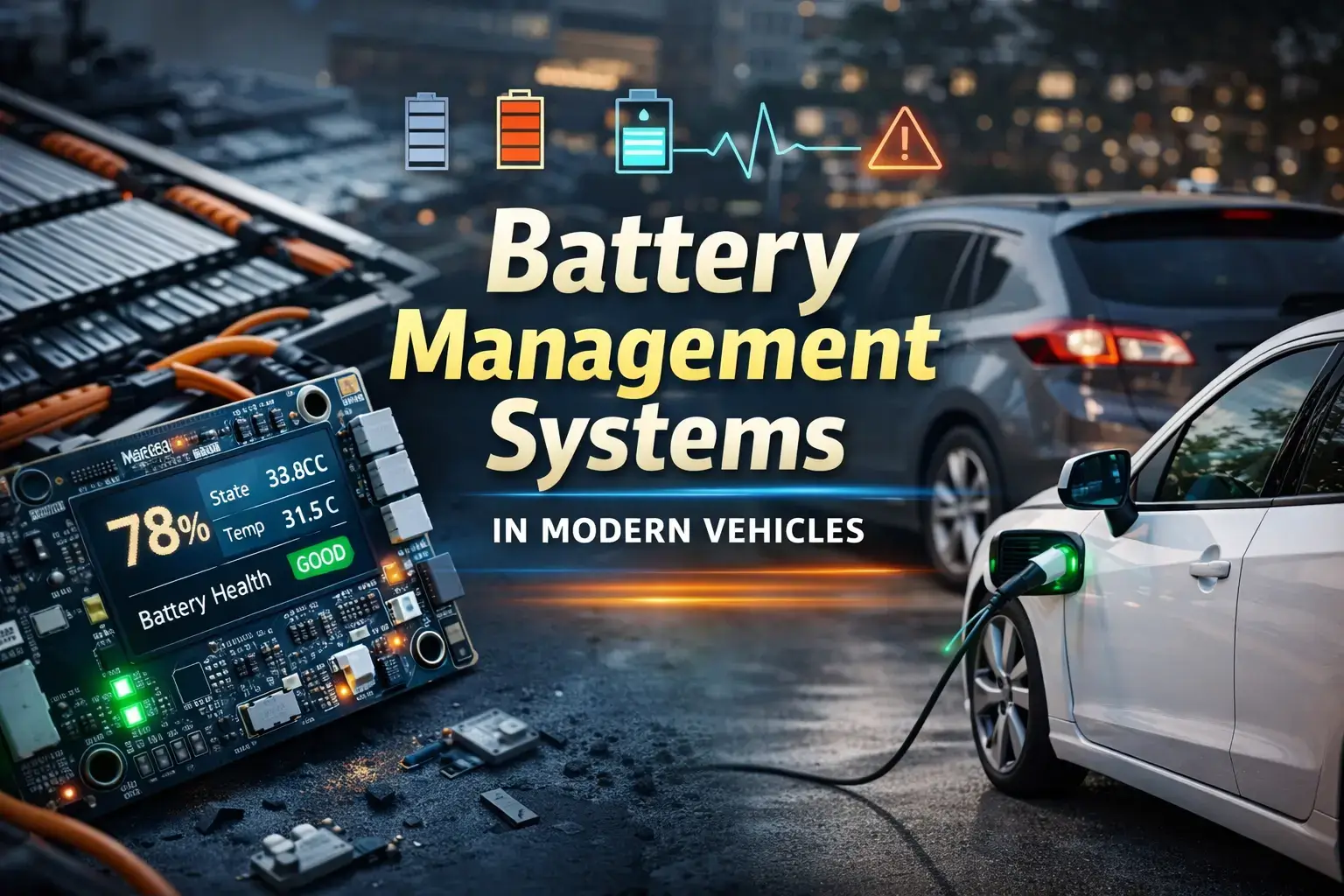
As vehicle technology evolves, so do battery management systems. Many newer vehicles use smart alternators and battery monitoring systems to optimise charging.
However, even these advanced systems cannot fully compensate for consistently short trips. In some cases, external battery chargers or maintainers can be used to keep the battery topped up, especially if the vehicle isn’t driven regularly.
For drivers who rely heavily on short drives, upgrading to a higher-quality battery designed for deep cycling or stop-start systems can also provide better durability.
Hybrid and Electric Vehicles: Are They Affected?
Hybrid and electric vehicles operate differently from traditional petrol or diesel cars, but they’re not entirely immune to short-trip issues.
Hybrids still rely on a 12V battery for auxiliary systems, which can experience similar problems if not properly maintained. Electric vehicles, while less dependent on traditional batteries, still benefit from regular use to maintain optimal performance.
That said, these vehicles are generally better equipped to handle short journeys due to their design and energy management systems.
When Should You Replace Your Battery?
If your battery is more than three years old and you primarily drive short distances, it’s worth keeping a close eye on its condition.
Frequent jump-starts, slow cranking, or recurring electrical issues are strong indicators that replacement may be necessary. Waiting too long can leave you stranded at the most inconvenient time.
Replacing your battery before it fails completely is always the safer and more cost-effective option.
Final Thoughts
Short trips might seem harmless, but over time they can quietly take a toll on your car battery. The combination of frequent starts, insufficient charging time, and increased electrical demand creates the perfect conditions for premature battery wear.
The good news is that with a bit of awareness and a few simple adjustments—like occasional longer drives and regular battery checks—you can significantly extend your battery’s life.
Understanding how your driving habits affect your vehicle isn’t just about avoiding inconvenience. It’s about ensuring reliability, improving performance, and getting the most out of your car for years to come.
If short trips are part of your daily routine, taking proactive steps now can save you from unexpected breakdowns and costly replacements down the track.
Frequently Asked Questions
- Are short drives bad for your car battery?
Yes, short drives can be harmful to your car battery over time. Each time you start your vehicle, the battery loses a significant amount of charge. If the drive is too short, the alternator doesn’t have enough time to fully recharge it. Repeated short drives can leave the battery in a constant state of partial charge, which accelerates wear and reduces its lifespan. - What kills your car battery the most?
Several factors can shorten your battery’s life, but the most common include frequent short trips, leaving lights or electronics on when the engine is off, extreme temperatures, and long periods of inactivity. Among these, short drives are one of the biggest contributors because they prevent proper recharging and lead to sulphation. - How to protect an engine from short trips?
To protect your engine and battery from the effects of short trips, try to combine errands into one longer drive whenever possible. Taking your car for a 20–30 minute drive at least once a week helps recharge the battery and allows the engine to reach optimal operating temperature. Regular servicing, using quality engine oil, and avoiding excessive idling also help minimise wear caused by short journeys. - How long should I drive to recharge my car battery?
In most cases, driving for at least 20–30 minutes at a steady speed is enough to help recharge your battery. Highway driving is more effective than stop-start city driving because it allows the alternator to work more efficiently. - Why does my battery go flat overnight?
If your battery frequently goes flat overnight, it could be due to an ageing battery, a parasitic drain, or insufficient charging from repeated short trips. A professional battery test can help identify the exact cause.
Keep Your Battery Reliable with Batteries Sunshine Coast
If your driving routine involves frequent short trips, staying ahead of battery issues is essential. At Batteries Sunshine Coast, we specialise in providing high-quality automotive batteries, expert advice, and professional battery testing services to keep your vehicle running smoothly.
Whether you need a battery health check, a reliable replacement, or guidance on choosing the right battery for your driving habits, our team is here to help. We stock a wide range of trusted battery brands suited for all types of vehicles, including those with modern stop-start systems.
Don’t wait for a flat battery to disrupt your day. Visit Batteries Sunshine Coast or get in touch with our team today to ensure your vehicle stays powered, reliable, and ready for every journey.